012026 World Cup basics: a historic three-nation tournament
The 2026 World Cup is unprecedented in scale. It is scheduled to open on 11 June 2026 and close on 19 July, co-hosted for the first time by the USA, Canada and Mexico, and is the first edition to expand the field to 48 teams. Before getting into the star players to watch, here are a few confirmed basics to help plan your viewing.
- Dates: 11 June to 19 July 2026
- Hosts: the USA, Canada and Mexico (three-nation hosting)
- Teams: 48, in 12 groups (A to L) of four
- Matches: 104 in total
- Host cities: 16 — 11 in the USA, 3 in Mexico, 2 in Canada
- Opening match: Estadio Azteca, Mexico City
- Final: MetLife Stadium, New Jersey, USA
With the new 48-team, 12-group format, the group and qualification rules are more complex than before, so the actual matchups, kick-off times and venue arrangements follow FIFA’s official announcements.

02Star players to watch: today’s biggest names in North America
One of this edition’s biggest draws is the chance to see several of today’s top stars on the same stage. Below are the representative players widely covered by the media whose teams have qualified. Note that whether they ultimately play, and their minutes and roles, depend on each national team’s official squad and the players’ fitness.
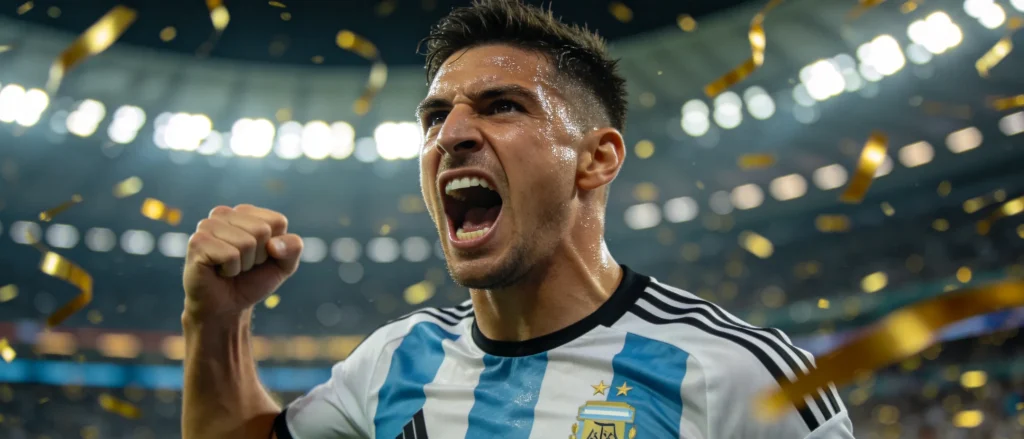
Lionel Messi: the spiritual leader of the defending champions
Argentina are the defending champions and arrive looking to retain the title. Captain Messi is the center of attention; reports suggest he could feature in a record sixth World Cup, which would set a record for appearances, with Portugal’s Cristiano Ronaldo also seen as capable of the same milestone. For many fans, the chance to see Messi perform on the World Cup stage again is a storyline in itself.
Kylian Mbappe: France’s attacking focal point
Real Madrid’s Mbappe is the focal point of France’s attack. Known for his pace, finishing and tournament experience, he is long regarded as one of the most decisive players in the game today. As a traditional power, every France match is worth watching for its tactical setup and attacking output.
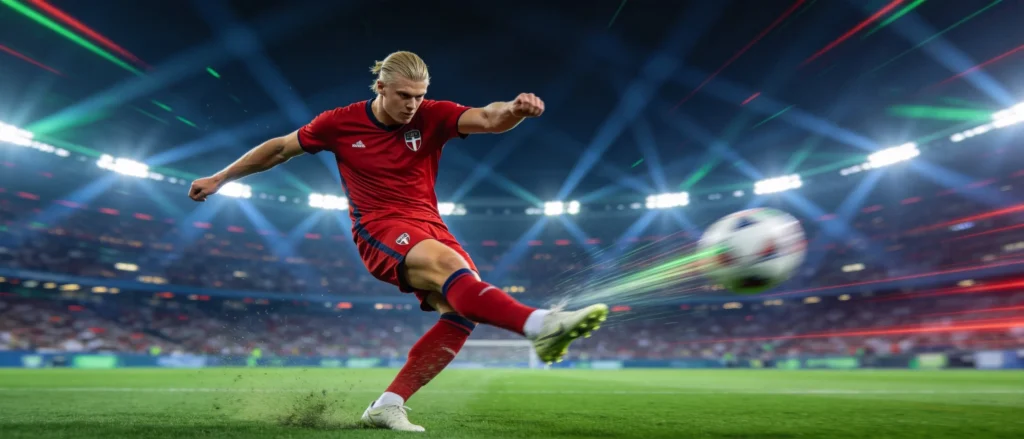
Erling Haaland: Norway’s comeback story
Manchester City forward Haaland leads Norway back to the World Cup, ending the team’s long absence since 1998. Norway impressed in qualifying, and Haaland’s scoring efficiency is a major talking point. For a side returning to the big stage after so long, turning individual quality into team results is a storyline to follow.
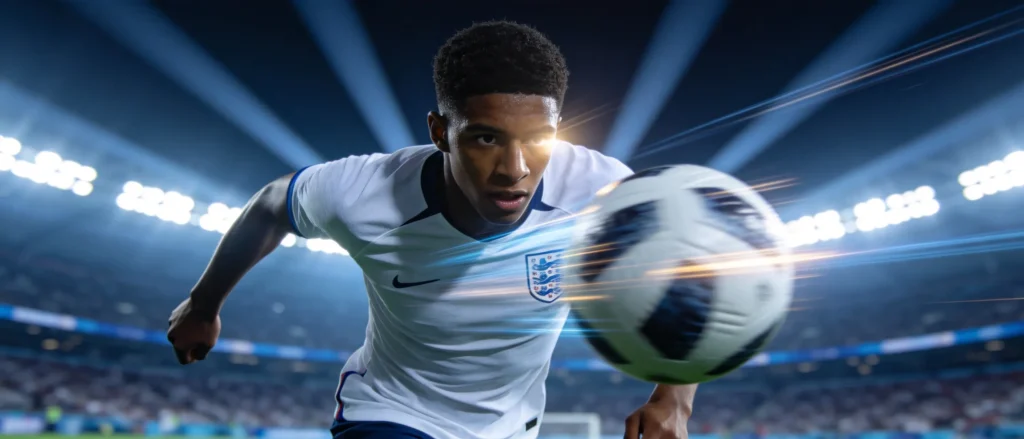
Jude Bellingham: England’s midfield engine
Also at Real Madrid and just 22, Bellingham is seen as the core of England’s midfield and a global standard-bearer for the next generation. Combining attacking and defensive ability with game reading, he has a deep influence on England’s overall flow. How next-generation stars carry the load at the World Cup is a key lens on this edition’s changing of the guard.
03Beyond individual stars, what else is there to watch
The 2026 World Cup’s appeal is not limited to single stars; the format and host environment bring new viewing angles too:
- An expanded format: the new 48-team, 12-group, 104-match landscape means more nations on the World Cup stage and potentially more upsets and dark-horse stories.
- Cross-border hosting: three nations and 16 cities mean teams and fans face travel and adaptation challenges, with home atmospheres and itineraries possibly shaping outcomes.
- A changing of the guard: as veteran stars may near the end of their careers, the next generation steps up, making this a likely turning point of old meeting new.
- Hosts versus traditional powers: with the USA, Canada and Mexico as hosts alongside European and South American heavyweights, every group’s balance of power is worth tracking.
04How to plan your viewing
Facing nearly 40 days and over a hundred matches, fans are advised to first lock in the teams and stars they care about, then follow along with the official groups and schedule. With the new format, the qualification paths and knockout matchups become clearer as the group stage ends, so grasping the rules early helps you understand the importance of each match.
A final reminder: the stars and storylines here are pre-tournament observations; actual squads, appearances and team performances remain variable, and the exact schedule, groups, scores and venue information all follow FIFA’s official announcements. This content is for fans’ reference only and is not betting advice.
FAQ
Which star players should I watch at the 2026 World Cup?
Messi, Mbappe, Haaland and Bellingham are all in focus, though actual appearances follow each nation's final squad.
Will Messi play at the 2026 World Cup?
Messi is Argentina's spiritual leader; whether he plays and how much follows Argentina's final squad and pre-tournament form.
What role will Mbappe play at the 2026 World Cup?
Mbappe is expected to be France's attacking focal point, with his pace and finishing the team's main threat.
Can Haaland play at the 2026 World Cup?
Norway must come through qualifying first; if they advance, Haaland will be one of the most anticipated forwards.
Related Articles
 Team Analysis
2026 World Cup Favorites and Power Analysis: Contenders, Confederations and Dark Horses
The 2026 World Cup runs 11 June–19 July, co-hosted by the USA, Canada and Mexico, with 48 teams in 12 groups and 104 matches. This article objectively analyzes the title favorites, each confederation's representatives and potential dark horses.
 World Cup Guide
2026 World Cup New Format Explained: 12 Groups, 104 Matches and the New Round of 32
The 2026 World Cup format gets a full upgrade — from 32 to 48 teams, a 12-group system, the total rising to 104 matches and a new round of 32. This article explains the qualification rules, the changes in matches and the three-nation hosting; schedule per…
 World Cup Guide
2026 World Cup: How and Where to Watch — Broadcast Options, Streaming and Time-Zone Tips
How can you watch the 2026 World Cup? This guide covers likely TV and streaming options, the basics (11 Jun–19 Jul, USA-Canada-Mexico hosts, 48 teams, 104 matches), and time-zone viewing tips; all platforms and times per official announcements.